The real-world laboratory is the result of the Werk 4.0 research project.
What Werk 4.0 is all about
Spotlight real-world laboratory
The aim of the Werk 4.0 project is to revolutionise traditional production through the use of modern Industry 4.0 technologies. The aim is to test and improve new technologies not only in the laboratory, but also in real industrial environments.
One of the main aims of the project is therefore to create a real-world laboratory that serves as an experimental space for the ‘factory of the future’. With the aim of quickly adapting future production to unforeseeable changes in market and technological requirements, the real-world laboratory will bring together the latest technologies and current expertise for a resilient production concept. A particular focus here is on human-machine cooperation.
The project therefore also includes the development of educational formats and business models as well as the transfer of knowledge to networks and the interested public.
Plant 4.0 helps to make production more resilient and flexible in order to better meet challenges such as delivery bottlenecks or short-term product adjustments.
Integrating technologies, enabling sustainable production
Innovations in the real-world laboratory
Technological and social innovations were developed in the work packages, which unfold their full power in system integration in the form of the Werk 4.0 real-world laboratory.

Digital process chain: efficiency and flexibility redefined
The digital process chain describes an automated flow of information that accelerates adjustments by transferring changes directly from development to the machine control system. This enables a faster and more flexible response to new requirements.
How can the digital process chain be experienced in the real laboratory?
The shape and position of glued seams in the AFM are adjusted directly in the model and produced accordingly in a robot cell with a KUKA robot.

Digital image and software-defined control combined
The basis for resilient and flexible production is a standardised and networked data model that always provides up-to-date and high-quality data. This enables a fast and efficient response to events.
How can the digital control twin be experienced in the real-world laboratory?
The digital control twin enables every visitor to implement changes in the sequence of the gluing process without any programming knowledge.
Innovative quality inspection: flexible, intuitive and cost-efficient
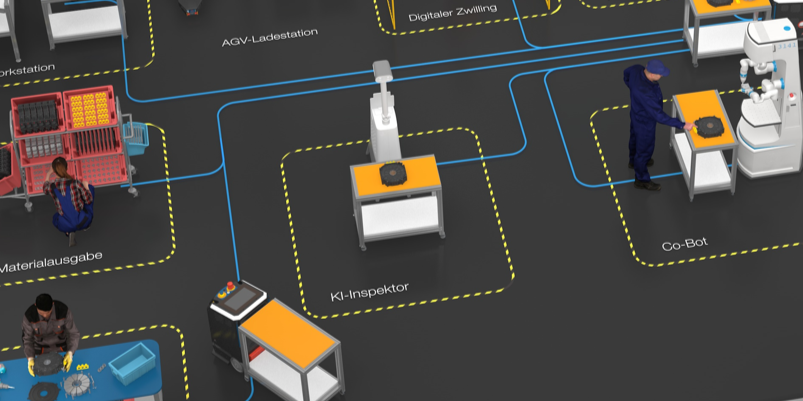
The solution brings a completely new approach to quality inspection and combines advanced technologies with ease of use. The demonstrator in the real-world laboratory shows how quality control can be made more efficient, adaptable and user-friendly.
How can the AI inspector be experienced in the real-world laboratory?
The user interface of the AI Inspector can be operated in the real laboratory itself. Even complex inspection tasks can be carried out intuitively and quickly – including checking colour, geometry and relative position.
Flexible and autonomous transport
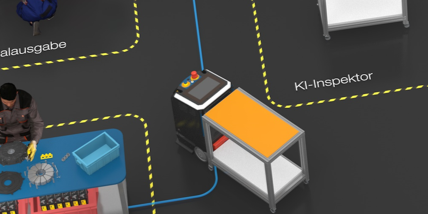
The integration of autonomous mobile robots (AMRs) is an important step towards the realisation of a resilient production system.
How can the AMR CARY be experienced in the real-world laboratory?
The AMR CARY autonomously transports the required materials to the respective stations. By taking over these repetitive and time-consuming tasks, CARY frees up human labour, which can concentrate on more complex and value-adding activities.

Flexibility and innovation through modern assistance systems
Modern assistance systems support resilient and flexible production through AR technologies that quickly familiarise employees with complex processes and minimise errors.
How can the modern worker assistance system be experienced in the real-world laboratory?
The workers will have a Hololens at their disposal, which will display instructions and information directly in their field of vision. A textual description will be displayed for the next step and the relevant parts and positions in the work environment will be visually highlighted.

Automated knowledge transfer
The innovative system for automated, technology-supported knowledge transfer ensures that all employees are informed of relevant changes in a timely and comprehensive manner. This enables them to organise their workplace safely and efficiently and remain capable of acting.
How can automated knowledge transfer be experienced in the real-world laboratory?
There will be a screen at each workstation on which each employee will be individually shown the changes relevant to that workstation.

New business models: flexibility through cobots
Collaborative robots (cobots) are not only technological innovations, but also a catalyst for new business models that offer customised solutions for different business needs. As part of the project, possible applications for as-a-service business models were analysed and a decision-making tool was developed.
How can the business model configurator be experienced in the real-world laboratory?
Test the Business Model O-Mat directly in the real-world lab and see which business model is recommended to you based on your input.
Iterative working in a network
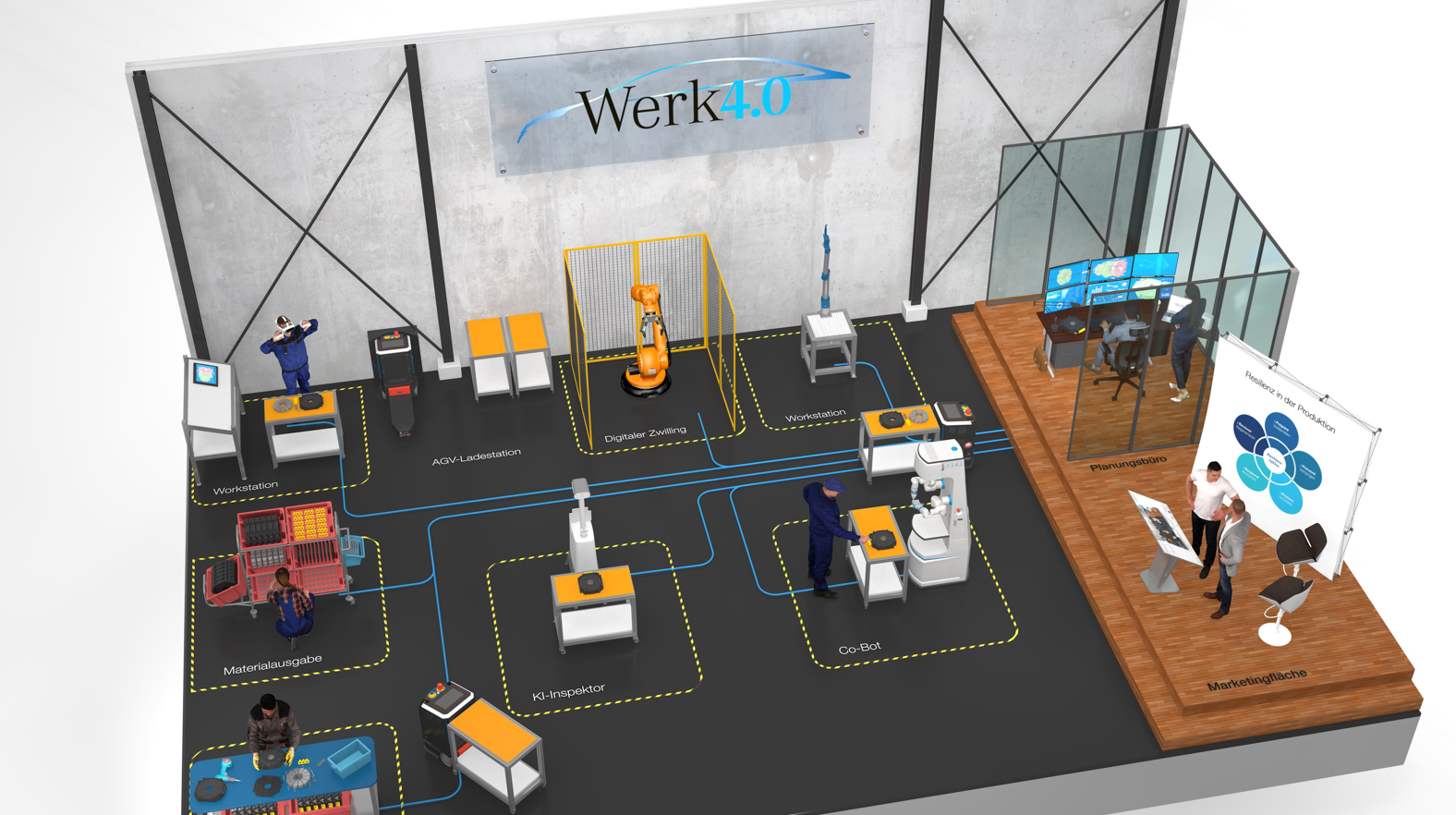
Co-creation in the context of Werk 4.0 refers to the joint development and implementation of solutions. This concept promotes collaboration and the exchange of knowledge and resources in order to iteratively develop innovative and user-centred solutions.
How is this way of working realised in the real-world laboratory?
The integration of individual solutions into a holistic production concept in the real-world laboratory is the result of this iterative way of working.
What we mean by resilient production at Werk 4.0
From conventional production plant to resilient competence centre
The Werk 4.0 project deals with the topic of resilience based on technological resilience through Industry 4.0 solutions and focuses on the question of how the resilience of organisations can be strengthened by means of technology. When developing the technology, its interactions with the organisation and the people in the organisation are also considered.
As part of the project, we want to make it understandable and measurable which technical and organisational levers can be used to make a production process more resilient and therefore more sustainable.
Introducing Werk 4.0
Events

IIC - Innovation in Digital Factory & Production Planning
IIC – Innovation in Digital Factory & Production Planning
IIC 2025 from 24-25 September is one of the leading specialist conferences for digital factory and production planning and virtual commissioning. The focus will be on current developments relating to digital twins, artificial intelligence and resilient production systems. In addition to top-class keynotes and best-practice examples from the industry, the IIC offers a varied programme with a trade exhibition, excursions and interactive formats such as the Pitch Session.
In the Pitch Session, we ask the question: How can production become more resilient to crises and uncertainties? We will shed light on current challenges in the areas of supply chains, energy and personnel and discuss how digital solutions – such as sensor technology, data and networking – can contribute to the resilience of production systems. Afterwards, we invite you to an open discussion with an expert audience at the Pitch Coffee.

08
JUL
Werk 4.0 at the Agile World 2025
Anna as our Agile Coach and Kolja as Learning and Development Specialist in the Werk 4.0 project were at Agile World and held an exciting workshop.

28
JUN
Werk 4.0 at the Long Night of Science
Despite high temperatures, attendance was high. Visitors learned about the digital process chain and discussed resilient production at the ‘Big Picture’ section of our real-world laboratory.

09
APR
Consortium meeting of Werk 4.0 at the DFC
On 8 and 9 April, we were able to write another chapter in the Werk 4.0 project with full energy and concentrated innovative power!
Werk 4.0 enthusiasts
Voices from the project

“The Werk 4.0 real-world laboratory is a production line in which all of the consortium’s research results are integrated. In the real-world laboratory, we test the contribution of our solutions and technologies to resilient production.”
“The real-world laboratory is our experimental space: it’s where we test our hypotheses using agile methods, learn from the outcomes, and continuously adapt our approaches. This way, we generate knowledge with real, practical value.“
Anna-Caterina Walk
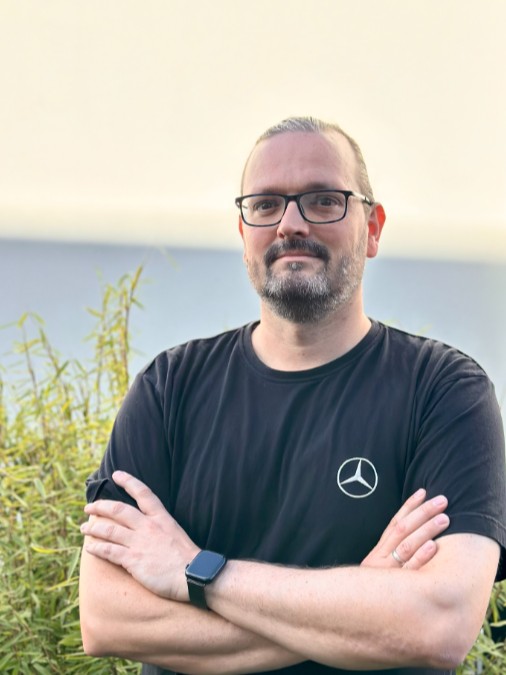
“The real-world laboratory offers the opportunity to utilise innovative solutions and test them in a production-like environment, making them tangible and experiential for visitors.”
Matthias Legde
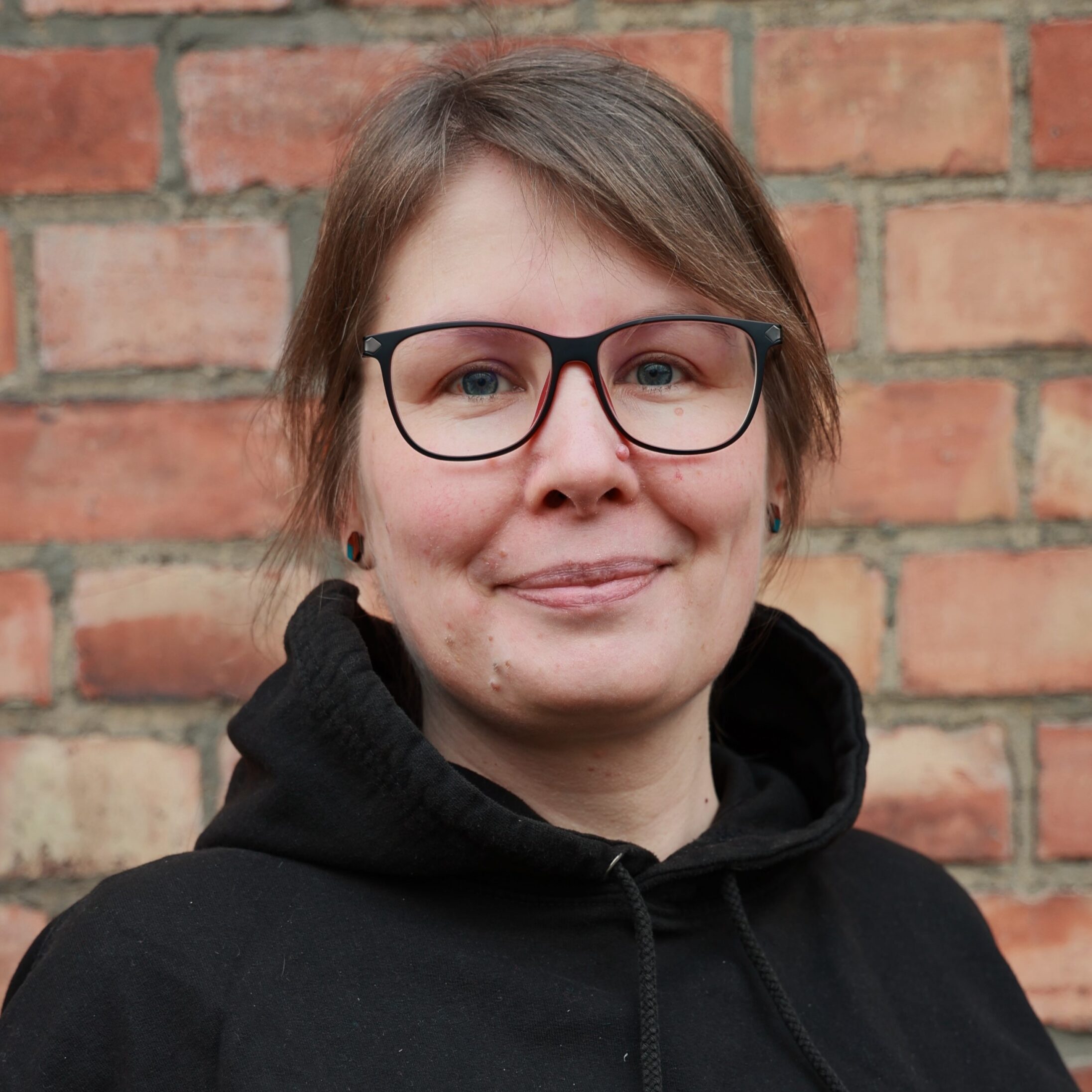
“Werk 4.0 creates technical and organisational solutions for the resilience of industry. For this to succeed, interdisciplinary co-creation is a key component of the innovation process.”
Kathrin Bischoff

“The project results will serve as a blueprint for the automotive sector and other industries in Germany to meet the challenges of the future.”
Adrian Namyslo

“Resilient production is not a ‘nice-to-have’, but crucial to ensuring the future viability of entire industries.”
Ulrike Munz
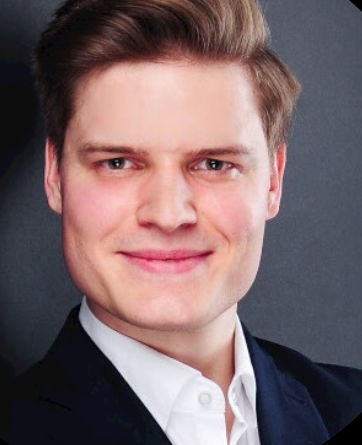
“In order to increase the resilience of automated systems over the entire life cycle (from digital planning to the conversion of series production), we rely on transparent change management paired with a flexible control approach.”
Fabian Schmitt

“User-centricity is the key – new technologies can only provide real support if the needs of users are taken into account. This maintains the ability to act, even in the face of change.”
Kolja Pietsch

“In order to understand and meaningfully organise the data basis of modern industrial processes, we are testing ontologies as a key technology in the real-world laboratory. They help to map information in a structured way and to describe changes in a comprehensible manner.”
Miriam Schleipen
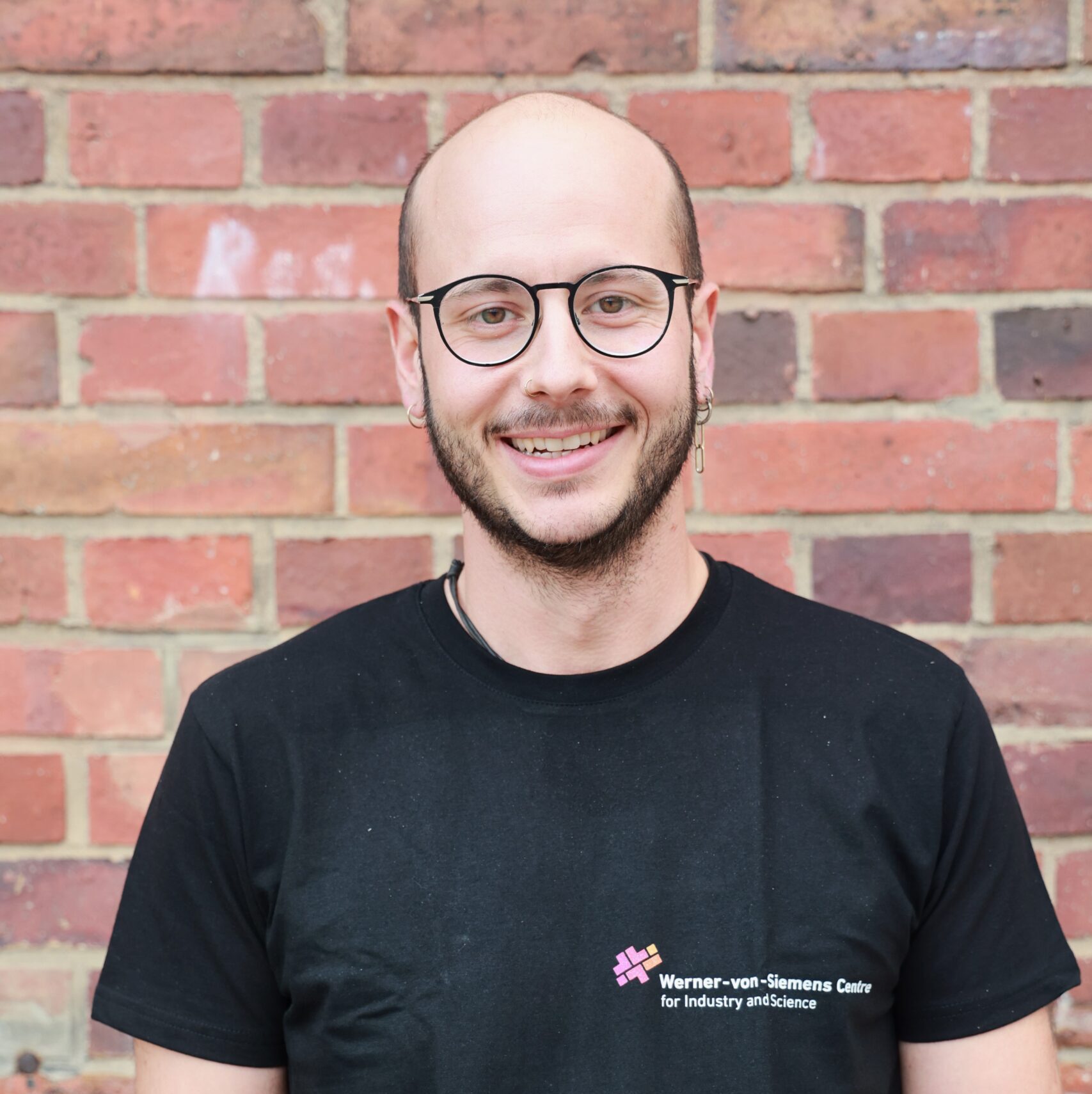
“We weave the individual threads into a rope that reflects the innovative strength of the entire consortium in the form of the real-world laboratory.”
Severin Reuter

“The real-world laboratory helps to make the many new technologies tangible and thus also assessable for use in series production.”
Thomas Ullrich
Visit the real-world laboratory
How to find us
Have we piqued your interest in sustainable production? Then visit our ‘Werk 4.0 Real-World Lab’ at the Mercedes-Benz Digital Factory Campus (DFC) in Berlin-Marienfelde free of charge and experience how innovation and resilience go hand in hand.
The visit can be customised according to the needs of the target group. Talk to us, we look forward to your visit!
Contact us via forschung@wvsc.berlin.

The team behind the real-world laboratory
The project partners of Werk 4.0
This real-world laboratory was created as part of the Werk 4.0 joint research project. It is the result of collaboration between 12 partners:
Mercedes Benz AG, Technische Universität Berlin, Werner-von-Siemens-Centre for Industry and Science e.V. (WvSC), pi4_robotics GmbH, 5thIndustry GmbH, Gestalt Automation GmbH, Fraunhofer IPK, Technische Universität Dresden, EKS InTec GmbH, ASCon Systems Holding GmbH, Cybus GmbH, MetraLabs GmbH Neue Technologien und Systeme







This project is funded by the German Federal Ministry of Economics and Energy (BMWE) in the funding guideline “Digitalization of Vehicle Manufacturers and Supplier Industry” in the funding framework “Future Investments Vehicle Manufacturers and Supplier Industry” and is supervised by the project sponsor VDI Technologiezentrum GmbH.
